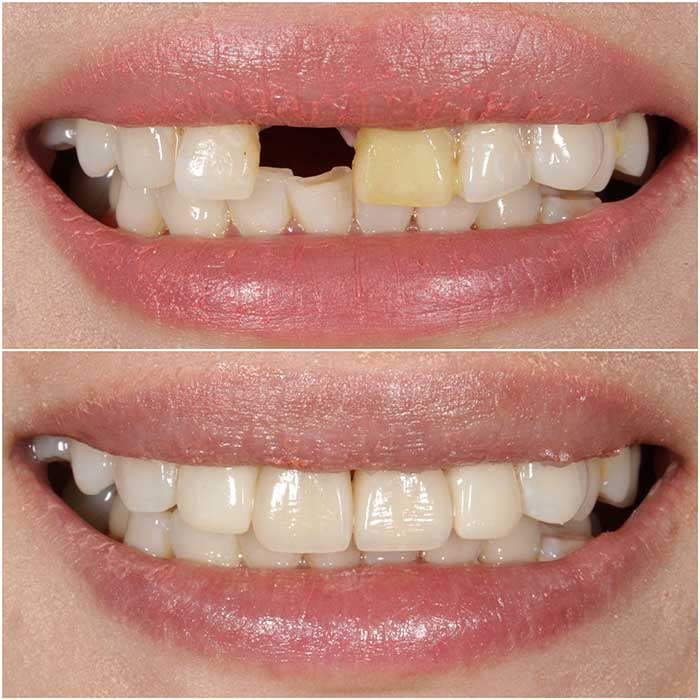
Dental Implants in North York
The Long-Term Impact of a Missing Tooth on Your Bite and Oral Health
A missing tooth is not just a gap. It changes how your bite functions, how pressure is distributed, and how surrounding teeth behave over time.
Dental implants are not just a replacement; they are a way to restore structure, stability, and long-term function.
At Bayview Smile Centre on Bayview Ave in North York, implant treatment is approached as a planned, staged solution rather than a quick fix. The goal is not just to replace a tooth, but to create a result that will still make sense years from now.
What Are Dental Implants?
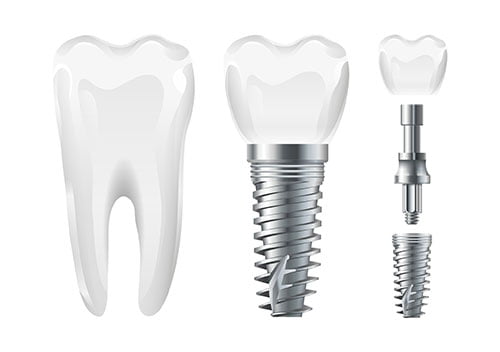
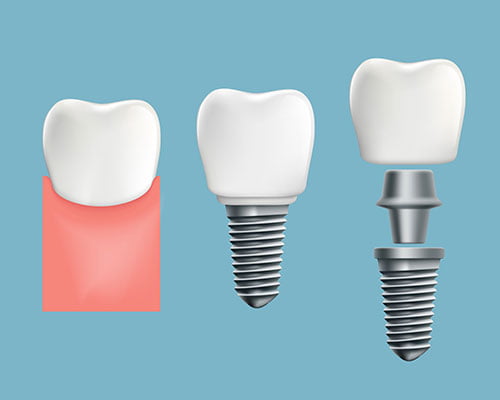
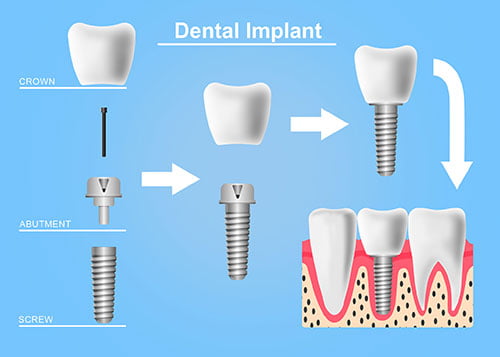
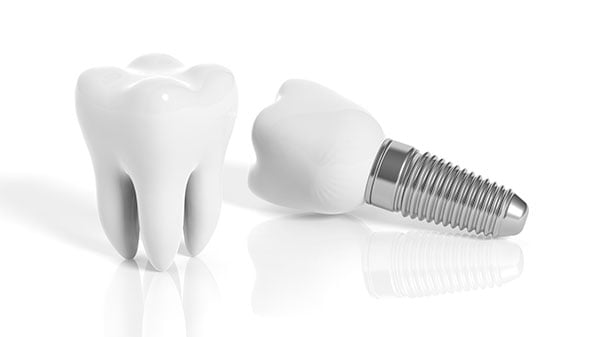
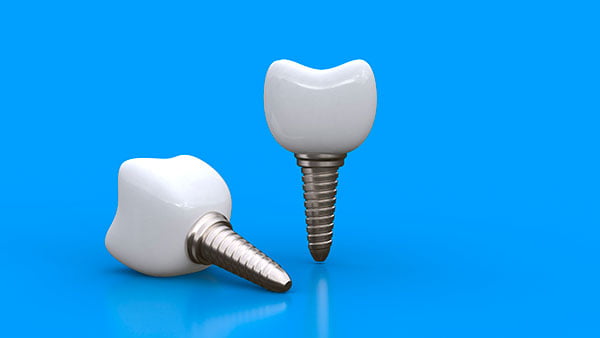
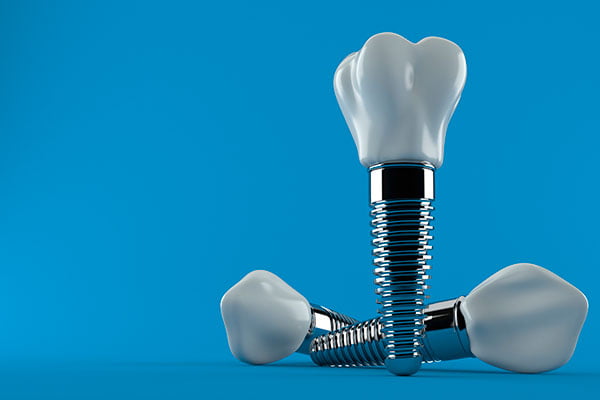
A dental implant is a way to replace a tooth root. They are small posts (they can look a lot like screws) and can be made out of a few different materials, most commonly titanium. This post is placed directly into the bone and acts as an artificial root. Once the “root” is secure, we can place a permanent crown or bridge on the post. This type of restoration is customized for every smile and creates a beautiful and natural looking result.
Why implants are the gold standard for tooth replacement:

No need to disrupt neighboring teeth
Securely fixed into the jaw bone to allow lifelong stability
Dental implants can even prevent further bone deterioration after the loss of a tooth
There is no better, more natural looking and feeling way to replace missing teeth

The Real Reason Patients Choose Dental Implants
Most patients do not initially plan for dental implants. They begin exploring this option when other treatments no longer provide a stable or predictable outcome.
This often happens when:
- A tooth cannot be restored with long-term reliability
- A traditional bridge would require altering healthy neighbouring teeth
- Dentures feel uncomfortable, unstable, or limiting in daily life
- Repeated dental treatments are no longer providing lasting results
At this stage, the focus naturally shifts from short-term solutions to something more stable.
The decision is not simply about replacing a missing tooth. It is about choosing a treatment that supports long-term function, comfort, and confidence without requiring ongoing corrective work.
What Makes Dental Implants Different From Other Options
Most pages explain what implants are. Few explain why they behave differently.
A dental implant replaces the root, not just the visible tooth.
That changes everything:
- It transfers force directly into the bone
- It does not rely on neighbouring teeth
- It helps maintain bone structure over time
This is why implants are considered one of the most predictable long-term treatments in dentistry, with success rates consistently above 95% when properly planned and maintained
Types of Dental Implant Treatments We Offer
- Single Tooth Implants Replace a single tooth without disturbing the neighbouring teeth.
- Multiple Teeth Implants & Implant Bridges Fill several spaces at once using implant bridges. Dental implant bridges can be used to replace multiple missing teeth using fewer implants.
-
Full-Arch Implants (All-on-4 / All-on-6)
Missing or soon to be missing all of your teeth? Replace your missing or failing teeth with a
full arch bridge fixed on dental implants.
- Denture wearers
- Severe tooth decay
- Failing teeth
- Full smile reconstruction
When an Implant Is the Right Choice
(And When It’s Not)
Implants are usually the right choice when
- The tooth is missing or cannot be saved
- Long-term stability is a priority
- Surrounding teeth are healthy and should not be altered
Implants may not be the best option when
- The tooth can be predictably restored
- Medical or bone conditions require additional preparation
- Expectations are based on speed instead of long-term outcomes
The Hidden Cost of Not Replacing a Missing Tooth
This is where most pages are weak and where patients actually make decisions.
When a tooth is missing:
- bone loss begins almost immediately (up to ~25% in the first year)
- neighbouring teeth begin to shift
- bite alignment changes
- future treatment becomes more complex
Dental Implants vs Bridges vs Dentures Real Comparison
| Factor | Implant | Bridge | Denture |
| Stability | Fixed in bone | Fixed to teeth | Removable |
| Impact on other teeth | None | Requires drilling | None |
| Bone preservation | Yes | No | No |
| Longevity | Long-term | Medium | Variable |
| Function | Closest to natural | Good | Limited |
Most patients move to implants after experiencing the limitations of other options
Cost of Dental Implants in North York
(647) 931-2477
The cost of dental implants is not just the implant itself. It reflects the entire treatment process and the quality of planning behind it.
A complete implant treatment typically includes:
- detailed diagnostics and treatment planning
- surgical placement of the implant
- materials and components used for restoration
- the final crown or bridge
- follow-up care and monitoring
Because of this, two treatment plans with a similar price can differ significantly in long-term value and predictability.
Financing and Payment Options
At Bayview Smile Centre, we understand that dental implants are a meaningful investment. To make treatment more accessible, we offer:
- Flexible financing options through third-party providers
- The ability to spread payments over time
- Support for both insured and uninsured patients
The goal is to help you move forward with treatment in a way that feels financially manageable, while maintaining the quality and structure needed for long-term results.

Recovery: What Actually Affects the Outcome
Recovery is not just about comfort; it directly impacts success.
Patients should expect:
- Mild discomfort or swelling in the first days
- Normal daily activity shortly after
- In the healing phase, where the implant must not be overloaded
The key factor is not how fast you feel better. It is whether the implant integrates correctly.

How Long Do Dental Implants Really Last?
Implants are designed as a long-term solution.
- Implants themselves can last decades
- Success rates remain above 95% even in the long term
But the full system includes:
- The implant (foundation)
- The crown/bridge (which may need maintenance over time)
What Actually Determines Implant Success
This is where most competitors stay vague.
The biggest factors are:
- quality of planning
- experience of the provider
- correct positioning of the implant
- patient compliance during healing
Even the best implant system cannot compensate for poor planning.
Why Patients Choose Bayview Smile Centre (North York, Bayview Ave)
Patients choosing implants are not just choosing a clinic. They are choosing how the entire process will be handled.
At Bayview Smile Centre:
- Full treatment is completed in one location
- 3D imaging is used for planning
- The surgical and restorative phases are coordinated
- Sedation options are available
The focus is not speed. It is predictability and clarity.
Book Your Dental Implant Consultation in North York
If you are considering replacing a missing tooth, the most important step is not choosing a procedure.
It is understanding:
- What your options actually are
- What will work long-term
- What the process will involve
At Bayview Smile Centre on Bayview Ave, we provide structured consultations that focus on clarity, not assumptions.
Book your consultation today and get a plan you can rely on.
Frequently Asked Questions About Dental Implants in North York
How do I know if a dental implant will actually work in my case?
This is determined during the planning stage, not during surgery.
Key factors your dentist evaluates:
- bone volume and density (via 3D imaging)
- condition of the surrounding teeth and gums
- bite forces (including clenching or grinding)
- overall oral and medical health
In many cases, even if you were previously told you are not a candidate, modern techniques (such as bone grafting) may still make implant treatment possible.
The goal is not to “place an implant” but to ensure it remains stable over the long term.
Is placing a dental implant painful or difficult to go through?
Most patients expect the procedure to be more difficult than it actually is.
In reality:
- Implant placement is typically done under local anesthesia
- Discomfort during the procedure is minimal
- Post-procedure soreness is usually manageable and temporary
For patients who feel anxious, sedation options are available to make the experience more controlled and comfortable. The process is structured and predictable, not something you have to “get through.”
How long does the entire implant process actually take?
This depends on your starting point, but most cases follow a staged timeline:
- Initial consultation and planning
- Implant placement
- Healing phase (typically 3–6 months for integration)
- Final crown or bridge placement
In some cases, temporary restorations can be placed earlier, but the final result is always built over time rather than delivered in a single visit.
What happens if I delay replacing a missing tooth?
This is one of the most important considerations.
When a tooth is not replaced:
- bone loss begins quickly in the first months
- neighbouring teeth shift into the empty space
- bite alignment changes
- future treatment becomes more complex and less predictable
In some cases, delaying treatment can mean that additional procedures (like bone grafting) become necessary later.
Are dental implants guaranteed to last forever?
No medical treatment is “guaranteed,” but dental implants are one of the most predictable long-term solutions in dentistry.
What you can realistically expect:
- Implant survival rates above 95% over many years
- The implant itself can last decades
- The crown or bridge may require maintenance or replacement over time
Longevity depends less on the implant itself and more on:
- Oral hygiene
- Regular professional care
- How forces are distributed on the implant
What are the real risks or complications I should be aware of?
While complications are uncommon, it is important to understand them clearly.
Potential risks include:
- The implant not integrating with the bone (rare, but possible)
- Infection during healing
- Mechanical issues with the crown or bridge over time
- Overload from early chewing or grinding
Most of these risks are manageable or preventable with proper planning and follow-up care.
The biggest risk factor is not the procedure it is poor case selection or lack of structure in the treatment plan.
How do implants compare to a bridge in the long term?
The difference is not just structural it is strategic.
A bridge:
- relies on neighbouring teeth for support
- requires those teeth to be altered
- does not prevent bone loss
An implant:
- stands independently
- preserves surrounding teeth
- helps maintain bone structure
For patients thinking long-term, implants are often chosen to avoid repeating treatment in the future.
What should I look for when choosing a dental implant provider?
This decision has a direct impact on long-term success.
You should look for:
- clear explanation of the full treatment process (not just surgery)
- detailed planning using 3D imaging
- ability to manage both surgical and restorative phases
- realistic expectations, not “perfect smile” promises
The quality of planning is often more important than the procedure itself.
Can my body reject a dental implant?
Dental implants are made from biocompatible materials (usually titanium), so true “rejection” is extremely rare.
What can happen instead:
- failure of integration (the implant does not fuse with the bone)
This is not an immune rejection, but a healing issue, and it can often be addressed and corrected if identified early.
What is the most common mistake patients make with implants?
The most common issue is treating the implant like a finished solution too early.
Patients often:
- Resume normal chewing too soon
- Underestimate the healing phase
- Skip follow-up care
The first 3–6 months are critical. Long-term success depends more on what happens during healing than on the procedure itself.
Smile Gallery