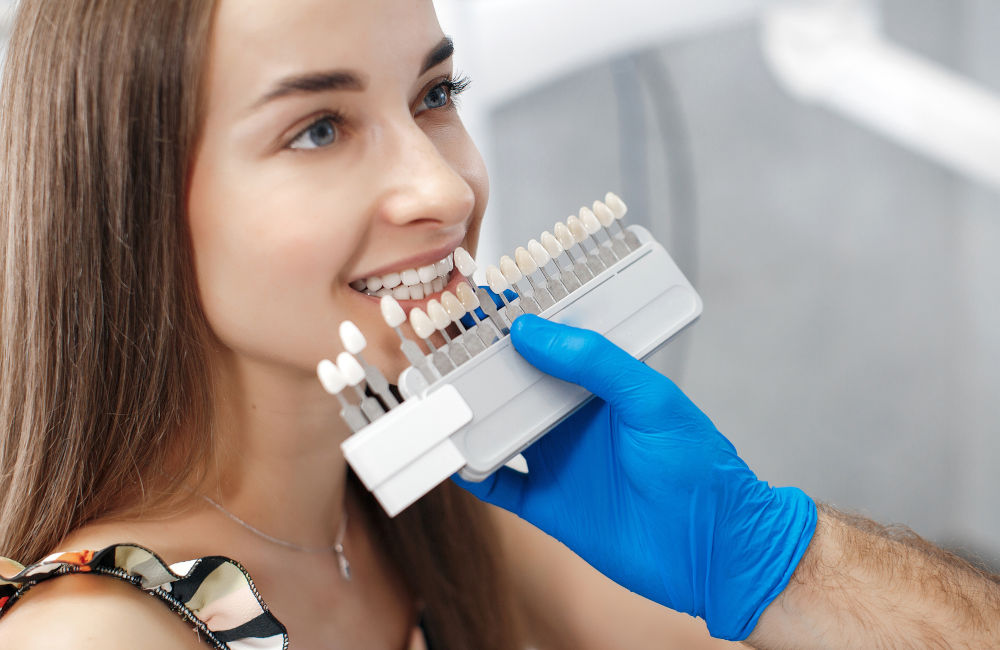

Porcelain Veneers Cost in Toronto and Canada
Porcelain veneers in Canada typically cost between $900 and $2,500 per tooth, while a full smile makeover in Toronto can range from $8,000 to $30,000 or more, depending on the number of veneers, materials used, and the experience of the cosmetic dentist. Veneer pricing also includes consultation, smile design planning, temporary veneers, laboratory fabrication, and final placement. Understanding how these factors influence the cost of dental veneers helps patients compare treatment options more accurately and plan cosmetic dentistry procedures with realistic expectations.
Key Takeaways
- Porcelain veneers in Canada typically cost between $900 and $2,500 per tooth, depending on the clinic, materials, and the dentist's expertise.
- In Toronto, prices are usually higher due to laboratory costs, advanced digital technology, and demand for cosmetic dentistry.
- A full smile makeover with porcelain veneers can range from $8,000 to $30,000+, depending on the number of veneers required.
- Treatment pricing usually includes consultation, digital smile planning, temporary veneers, laboratory fabrication, and final placement.
- The dentist's experience and the quality of the dental laboratory significantly influence the final cost.
Find our Dental Clinic Near You
What is the average cost of porcelain veneers in Toronto and across Canada?
A bright, balanced smile often becomes the first thing people notice. Porcelain veneers are among the most commonly chosen cosmetic dentistry solutions because they can correct discoloration, worn enamel, gaps, and minor alignment issues without orthodontics. Yet the first question patients usually ask is simple: how much do porcelain veneers cost in Canada?
The answer varies depending on several clinical and geographic factors. In large cities such as Toronto, cosmetic dentistry clinics frequently use advanced imaging technology and premium dental laboratories, which influences the final price. Smaller cities or rural areas may offer slightly lower fees due to different overhead costs.
Still, it helps to begin with the typical national price range.
Average price per tooth
Across Canada, porcelain veneers are generally priced per tooth. The national range usually falls between $900 and $2,500 per tooth, depending on treatment complexity and the materials used.
Several variables affect this range. First is the type of porcelain used by the dental laboratory. High‑strength ceramics such as lithium disilicate often cost more but provide superior durability and natural translucency. Second is the level of customization required to match colour, shape, and facial aesthetics.
Patients rarely place veneers on just one tooth when pursuing cosmetic treatment. Dentists often recommend placing veneers on 6–10 teeth in the visible smile zone to ensure symmetry and a natural appearance.
Below is a simplified overview of average costs.
| Treatment Type | Average Cost Per Tooth | Typical Total Cost |
|---|---|---|
| Porcelain veneer (Canada average) | $900 – $2,500 | Depends on the number of teeth |
| 6 veneers (partial smile makeover) | $5,400 – $15,000 | Moderate cosmetic change |
| 8 veneers | $7,200 – $20,000 | Common smile makeover |
| 10 veneers (full smile zone) | $9,000 – $25,000+ | Complete aesthetic transformation |
These estimates reflect typical cosmetic dentistry fees in Canada, though the final price can vary based on diagnostic imaging, smile design planning, and laboratory customization.
Toronto vs Canada price ranges
Toronto tends to sit at the higher end of the national range. Cosmetic dentistry practices in the city frequently integrate advanced tools, including digital smile design software, 3D scanning technology, and premium laboratory fabrication.
Because of these resources, porcelain veneers in Toronto usually range between:
- $1,200 to $2,500 per tooth
- $10,000 to $30,000 for a full smile makeover
These higher fees reflect more than location alone. Toronto dental clinics often collaborate with specialized cosmetic dental laboratories that create veneers individually layered by ceramists. The process improves aesthetics but increases manufacturing costs.
Another factor involves diagnostic technology. Many cosmetic dentists now use digital scans, facial analysis software, and trial smile simulations before treatment begins. These tools allow patients to preview results and improve precision — but they also increase the overall cost structure.
At clinics such as Bayview Smile Centre Dental, cosmetic consultations often include digital planning tools that allow dentists to evaluate proportions, tooth shape, and facial harmony before veneers are fabricated.
Why do veneer prices vary between clinics
Patients sometimes wonder why veneer pricing differs significantly between dental offices. Several structural factors explain the variation.
First, cosmetic dentistry requires close collaboration between the dentist and the dental laboratory. Laboratories with experienced ceramists may spend several hours layering porcelain to create lifelike translucency and natural contours. This craftsmanship increases laboratory costs but improves results.
Second, a dentist's expertise is critical. Cosmetic veneer placement requires a detailed understanding of facial proportions, bite alignment, and enamel preservation. Dentists who focus heavily on aesthetic dentistry often pursue advanced training in smile design and restorative techniques.
Third, the number of veneers placed during treatment changes the total cost. Placing multiple veneers at once requires additional preparation appointments, temporary restorations, and laboratory fabrication.
And finally, technology influences pricing. Clinics using digital scanning, 3D smile simulations, and high‑resolution imaging often provide more predictable outcomes but also incur higher equipment costs.
All of these factors contribute to the price ranges seen across Canada.
What factors affect the cost of dental veneers in Canada?
The price of porcelain veneers does not depend on a single variable. Instead, it reflects a combination of clinical planning, materials, laboratory work, and dental expertise. Understanding these factors helps patients evaluate treatment options more realistically and avoid comparing prices without context.
Cosmetic dentistry is a blend of science and artistry. Two treatments may appear similar at first glance, yet the planning process behind them can differ dramatically.
Materials used
Porcelain veneers are fabricated from advanced dental ceramics designed to mimic the optical properties of natural enamel. Not all ceramics are identical, however.
Some laboratories use feldspathic porcelain, known for its high translucency and aesthetic qualities. Others prefer lithium disilicate ceramics, which offer increased strength and durability. The chosen material influences both longevity and cost.
Higher‑quality ceramics often require more complex laboratory fabrication processes. Multiple porcelain layers may be applied and fired in specialized ovens to achieve natural shading and surface texture.
Below is a comparison of common veneer materials used in Canada.
| Veneer Material | Characteristics | Typical Cost Range |
|---|---|---|
| Feldspathic porcelain | Highly aesthetic, very natural translucency | Higher due to handcrafted layering |
| Lithium disilicate | Strong and durable, commonly used | Moderate to high |
| Composite veneers | Resin-based material, faster placement | Lower cost but shorter lifespan |
Although composite veneers may be less expensive initially, porcelain veneers generally last longer and maintain colour stability over time.
Dentist expertise
The dentist's skill level significantly influences treatment costs. Cosmetic veneer placement requires careful enamel preparation, precise bonding techniques, and an understanding of facial proportions.
Dentists with advanced training in aesthetic dentistry often invest in continuing education courses focused on smile design and minimally invasive veneer preparation. These programs help clinicians preserve more natural tooth structure while achieving balanced cosmetic outcomes.
In many cases, experienced cosmetic dentists also work closely with specialized dental laboratories. This collaboration ensures that veneers match the patient's facial features, skin tone, and smile dynamics.
Studies on dental restoration longevity suggest that clinician experience plays a major role in long‑term success rates. Improper preparation or bonding techniques can reduce veneer lifespan or lead to complications such as chipping or debonding.
Because of this, many patients prioritize expertise over cost when choosing treatment.
Laboratory fees
Dental laboratories represent a substantial portion of veneer treatment pricing. Each porcelain veneer is custom-fabricated using digital scans or physical impressions of the patient's teeth.
The process typically includes:
- Digital modelling of the patient's smile
- Wax-up design of the future veneer shape
- Hand layering or milling of ceramic material
- Colour matching and glazing
High‑end laboratories employ experienced ceramists who manually refine each veneer to achieve lifelike surface characteristics. This craftsmanship increases laboratory fees but contributes significantly to aesthetic quality.
Laboratory costs can range from $250 to $600 per veneer, depending on the complexity and materials used.
Geographic location
Dental fees vary across Canada because operating costs differ between regions. Large metropolitan areas such as Toronto typically have higher rent, staffing, and laboratory expenses compared with smaller cities.
As a result, cosmetic dental procedures in Toronto often fall at the upper end of national fee ranges. However, urban clinics may also provide more advanced technology and access to highly specialized laboratories.
When evaluating veneer pricing, patients should consider the overall treatment plan rather than focusing only on individual tooth costs.
What is included in the price of porcelain veneers treatment?
Porcelain veneers involve several stages of planning and fabrication before the final restorations are bonded to the teeth. Many patients assume the fee reflects only the veneers themselves, but the treatment process includes multiple clinical appointments and laboratory procedures.
Understanding what is included in the price helps clarify why cosmetic dentistry treatments are structured the way they are.
Consultation stage
The process usually begins with a cosmetic consultation. During this appointment, the dentist evaluates the patient's oral health, bite alignment, and aesthetic goals.
Diagnostic tools may include:
- Digital photographs
- Intraoral scanning
- X‑rays or 3D imaging
- Facial symmetry analysis
These records help the dentist determine whether porcelain veneers are the most appropriate treatment option. In some cases, minor orthodontic treatment or whitening may be recommended first.
Clinics offering advanced cosmetic services may also perform digital smile design, a technology that simulates potential results before treatment begins.
| Consultation Components | Purpose |
|---|---|
| Clinical examination | Evaluate oral health and suitability for veneers |
| Digital photographs | Analyze smile proportions |
| 3D scan or impressions | Create laboratory models |
| Smile design planning | Visualize final results |
This diagnostic phase ensures that veneers complement facial proportions and bite mechanics rather than focusing only on tooth colour.
Veneer fabrication
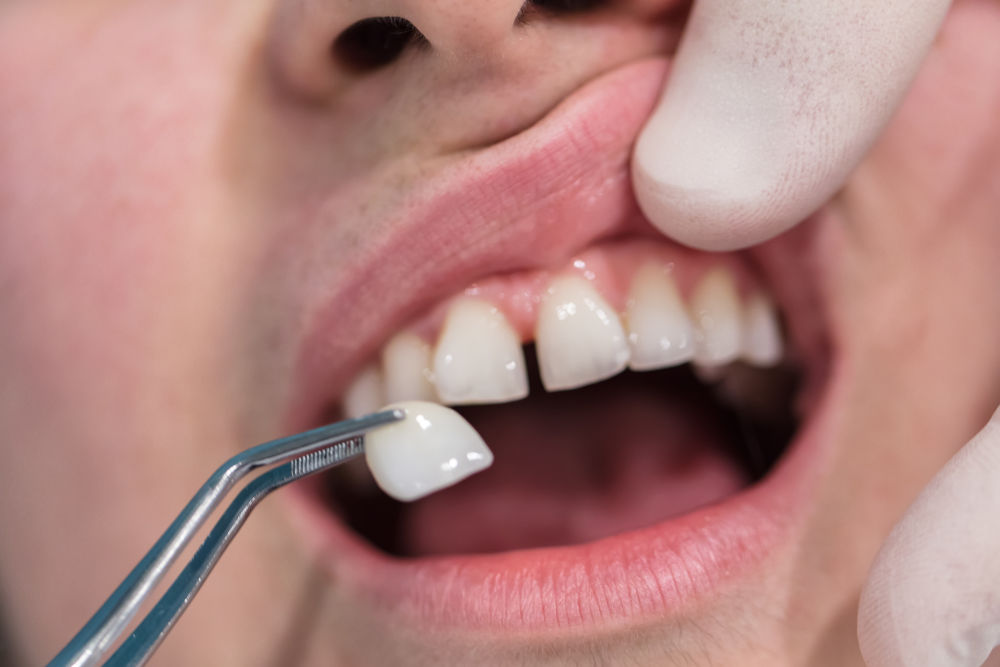
After the treatment plan is finalized, the preparation appointment begins. A small amount of enamel is typically removed from the front surface of each treated tooth. This allows the veneer to sit naturally without appearing bulky.
Temporary veneers are often placed while the dental laboratory fabricates the final restorations. These temporary shells protect prepared teeth and allow patients to preview the future shape of their smile.
The dental laboratory then begins fabrication. Using digital scans or impressions, technicians design veneers that match the planned shape and colour.
The fabrication stage may involve:
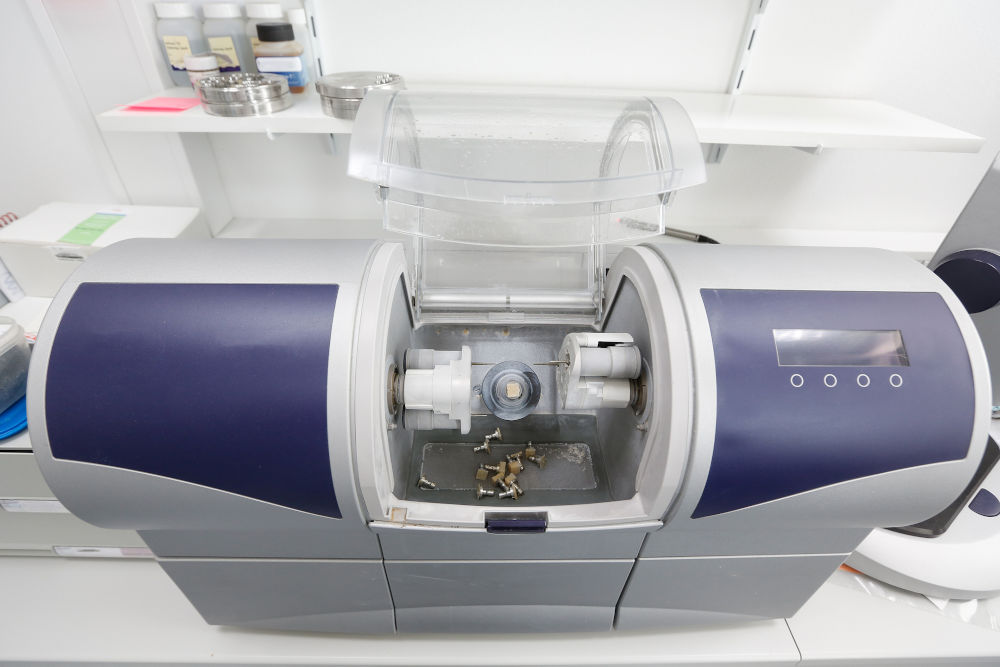
- CAD/CAM digital design
- Ceramic milling or hand layering
- Multiple firing cycles in ceramic ovens
- Surface glazing and polishing
This stage can take one to two weeks, depending on the laboratory and level of customization required.
Placement visit
Once the veneers return from the laboratory, the dentist schedules the final placement appointment.
During this visit, temporary veneers are removed, and the porcelain restorations are carefully tested for fit, colour, and bite alignment. Adjustments may be made before bonding.
The bonding process uses specialized dental adhesives that permanently attach the veneer to enamel. After bonding, the dentist evaluates the bite and polishes the restorations to achieve a natural finish.
| Treatment Stage | What Happens |
|---|---|
| Consultation and diagnostics | Smile planning and suitability assessment |
| Tooth preparation | Minimal enamel reshaping |
| Temporary veneers | Protection during fabrication |
| Laboratory fabrication | Custom porcelain veneer creation |
| Final bonding appointment | Permanent placement and adjustments |
The entire process usually requires two to three appointments over several weeks.
Patients interested in learning more about cosmetic dentistry options can explore the services offered at Bayview Smile Centre Dental through the clinic website:
How much do composite veneers cost compared to porcelain veneers?
Patients considering cosmetic dentistry often compare composite and porcelain veneers before deciding. While both treatments improve the appearance of teeth, they differ significantly in cost, durability, and long-term maintenance.
Composite veneers are typically applied directly to the tooth using tooth-coloured resin. The dentist sculpts and hardens the material during a single appointment. Porcelain veneers, on the other hand, require laboratory fabrication and multiple appointments.
Cost comparison between composite and porcelain veneers
Composite veneers are generally more affordable because they involve fewer laboratory steps. In Canada, composite veneer prices often range from $250 to $1,500 per tooth, while porcelain veneers range from $900 to $2,500 per tooth.
| Feature | Composite Veneers | Porcelain Veneers |
|---|---|---|
| Average cost per tooth | $250 – $1,500 | $900 – $2,500 |
| Treatment time | Usually one visit | Multiple appointments |
| Durability | 4–7 years | 10–15 years or longer |
| Stain resistance | Moderate | High |
| Laboratory fabrication | Not usually required | Required |
Longevity and durability
While composite veneers are less expensive initially, they tend to wear faster and may require replacement sooner. Resin materials are more prone to staining from foods and beverages such as coffee or red wine.
Porcelain veneers offer greater resistance to staining and chipping because ceramic materials mimic the strength of natural enamel.
Studies evaluating ceramic restorations have shown that porcelain veneers can last more than 10–15 years when properly maintained.
Maintenance considerations
Maintenance requirements also differ between the two options. Composite veneers may require polishing or minor repairs over time. Porcelain veneers generally last longer but still require regular dental checkups and proper oral hygiene.
Patients choosing between these options often consider their budget, long-term goals, and desired aesthetic results.
How expensive are veneers, and why do prices vary between clinics?
Veneer pricing can appear inconsistent when comparing dental clinics. One office may quote significantly lower fees than another, leaving patients wondering what accounts for the difference.
The reality is that cosmetic dentistry pricing reflects a combination of materials, laboratory craftsmanship, clinical expertise, and diagnostic technology.
Laboratory quality and materials
Dental laboratories vary widely in their level of craftsmanship. High-end cosmetic laboratories often employ master ceramists who manually layer porcelain to replicate the translucency of natural enamel.
This handcrafted approach requires significant time and technical skill, which increases production costs.
According to research in the Journal of Prosthetic Dentistry , laboratory design and material quality play a major role in the long-term aesthetics of ceramic restorations.
Cosmetic dentistry expertise
Another factor influencing pricing is the dentist’s training and specialization in cosmetic dentistry.
Dentists who regularly perform veneer treatments often pursue advanced education in smile design, adhesive dentistry, and minimally invasive preparation techniques.
These skills allow clinicians to preserve natural enamel while achieving natural-looking cosmetic improvements.
Technology and digital dentistry
Modern cosmetic dental clinics increasingly use digital tools to improve planning and accuracy. These technologies include:
- 3D intraoral scanning
- Digital smile simulation software
- Computer-guided veneer design
Although these systems increase operational costs, they allow dentists to design restorations with greater precision and predictability.
As a result, clinics using advanced digital dentistry tools may charge higher fees but also provide more customized treatment planning.
How many veneers are usually needed for a full smile makeover?
One of the most common questions patients ask during cosmetic consultations is how many veneers are necessary to transform their smile.
The answer depends on facial proportions, tooth visibility when smiling, and aesthetic symmetry. Most smile makeovers focus on the upper front teeth that are visible when smiling.
Typical number of veneers used
In many cosmetic dentistry cases, dentists recommend placing veneers on six to ten upper teeth. This range typically covers the visible smile zone and allows the dentist to create balanced proportions.
| Number of Veneers | Purpose |
|---|---|
| 4 veneers | Minor corrections |
| 6 veneers | Small smile enhancement |
| 8 veneers | Balanced cosmetic transformation |
| 10 veneers | Full smile zone restoration |
Smile design considerations
Determining the correct number of veneers involves evaluating several aesthetic factors, including tooth proportions, gum symmetry, and facial features.
Cosmetic dentists often use digital smile design technology to simulate potential results before treatment begins. This allows patients to visualize the expected outcome and adjust details such as tooth shape or length.
Expert tip on cosmetic smile planning
Dr. Mina Ibrahim, DDS , explains that successful veneer treatment is rarely about a single tooth.
"A smile makeover should be planned holistically," he notes. "We evaluate facial symmetry, lip position, and tooth proportions to create veneers that complement the entire smile rather than focusing on individual teeth."
Careful planning ensures that veneers look natural and function properly within the patient’s bite.
Patients considering a cosmetic smile transformation can explore treatment planning and consultation options at Bayview Smile Centre Dental.
How long do porcelain veneers last, and are they worth the cost?
Patients often ask whether porcelain veneers are worth the cost. Because veneers represent a significant investment in cosmetic dentistry, understanding their lifespan and durability is essential before deciding on treatment.
Research and clinical experience consistently show that porcelain veneers can last between 10 and 20 years, and in many cases even longer with proper care.
Average lifespan of porcelain veneers
Porcelain veneers are fabricated from strong dental ceramics designed to mimic the hardness and translucency of natural enamel. When properly bonded, they become extremely durable restorations.
Studies examining ceramic veneers published in prosthodontic journals report survival rates exceeding 90% after 10 years of clinical use.
Several factors influence veneer longevity:
- quality of the bonding technique
- patient's oral hygiene habits
- bite forces and grinding habits
- regular dental maintenance
Patients who follow good oral hygiene routines and attend regular dental checkups often maintain veneers for 15 years or more.
Maintenance and durability
Maintaining porcelain veneers requires habits similar to caring for natural teeth. Dentists generally recommend:
- brushing twice daily with non‑abrasive toothpaste
- flossing regularly
- avoiding excessive biting on hard objects
- wearing a night guard if teeth grinding occurs
Porcelain is highly resistant to staining, which helps veneers maintain their colour even after years of use.
Are veneers worth the investment?
From a cosmetic dentistry perspective, veneers can provide dramatic improvements in tooth colour, alignment, and symmetry.
Dr. Mitchell Dzaldov, DDS , explains that patients often choose veneers for their longevity and aesthetic predictability.
"Porcelain veneers provide one of the most reliable long‑term cosmetic solutions in dentistry. When designed properly and maintained well, they can transform a smile for many years," he explains.
For many patients, the combination of durability, natural aesthetics, and long lifespan makes veneers a worthwhile investment in their smile.
Are veneers covered by dental insurance in Canada?
Another common concern for patients considering cosmetic dentistry is whether dental insurance will cover veneer treatment. In most situations, Canadian dental insurance plans classify veneers as cosmetic procedures rather than medically necessary treatments.
Cosmetic vs medically necessary treatment
Insurance providers typically distinguish between procedures that restore oral health and those performed primarily for aesthetic reasons.
Treatments such as fillings , crowns , or root canals are often considered medically necessary because they repair damaged teeth or prevent further dental disease. Veneers, however, are usually performed to improve appearance.
Because of this classification, most insurance plans do not fully cover porcelain veneers.
Situations where partial coverage may apply
In some cases, insurance providers may offer partial reimbursement if veneers are used to restore damaged teeth rather than purely cosmetic improvements.
Examples may include:
- fractured teeth
- enamel defects
- severe discoloration caused by trauma or medication
Coverage policies vary widely by insurance provider and dental plan.
According to guidance from the Canadian Dental Association , patients should review their individual benefits plans carefully before starting cosmetic treatment.
Financing options for veneer treatment
Because veneers are typically an out‑of‑pocket procedure, many dental clinics offer financing options to make treatment more accessible.
Common payment approaches may include:
- staged treatment plans
- third‑party dental financing programs
- monthly payment arrangements
During a consultation, dentists often review treatment costs and financing options to help patients plan their smile transformation more comfortably.
What are the typical costs of veneers in North York specifically?
North York has become one of Toronto’s most active areas for cosmetic dentistry. The neighbourhood contains numerous dental clinics offering advanced aesthetic procedures, including porcelain and composite veneers. Because of the high concentration of clinics and access to modern dental laboratories in Toronto, patients in North York typically encounter pricing similar to, or slightly below, the downtown Toronto average.
However, veneer pricing in North York still varies depending on factors such as clinic technology, dentist expertise, and laboratory partnerships. Clinics specializing in cosmetic dentistry frequently use digital smile design software and collaborate with premium ceramic laboratories, which can increase overall treatment costs but also improve aesthetic outcomes.
Average veneer costs in North York
Based on cosmetic dentistry fee ranges reported across Toronto-area clinics, porcelain veneer costs in North York generally range from $1,100 to $2,400 per tooth. Composite veneers remain more affordable but may require replacement sooner due to wear and staining.
| Veneer Type | Average Cost Per Tooth (North York) | Estimated Lifespan |
|---|---|---|
| Composite veneers | $250 – $1,200 | 4–7 years |
| Porcelain veneers | $1,100 – $2,400 | 10–20 years |
| Full smile makeover (8–10 veneers) | $9,000 – $24,000+ | Long-term cosmetic restoration |
These estimates reflect typical ranges for cosmetic dentistry in Toronto and North York. Individual treatment plans may vary depending on smile design complexity and the number of veneers required.
Local factors influencing veneer pricing
Several location-specific factors influence veneer costs in North York clinics.
First, access to specialized dental laboratories in Toronto plays a role. Many clinics collaborate with ceramists who hand-layer porcelain veneers to replicate the natural characteristics of enamel. This craftsmanship improves aesthetic quality but increases laboratory costs.
Second, clinic technology and diagnostic tools affect pricing. Modern cosmetic practices often incorporate intraoral scanners, digital treatment simulations, and high-resolution photography to precisely plan veneer placement.
Third, experience in cosmetic dentistry influences cost. Dentists who regularly perform smile makeovers often invest in continuing education focused on aesthetic dentistry and adhesive bonding techniques.
Patients considering veneers in North York often benefit from consulting with dentists who specialize in cosmetic smile design and long-term restorative planning.
What is the final cost breakdown for porcelain veneer treatment in Toronto?
When patients receive a quote for porcelain veneers, the total cost reflects several components beyond the ceramic restorations themselves. Cosmetic veneer treatment involves diagnostic planning, laboratory fabrication, temporary restorations, and final bonding appointments.
Understanding the cost breakdown helps patients evaluate treatment estimates more clearly.
Major components of veneer treatment cost
Porcelain veneer pricing in Toronto typically includes multiple stages of care and collaboration with a laboratory. Each stage contributes to the final cost of treatment.
| Treatment Component | Estimated Cost Range (Per Tooth or Case) | Description |
|---|---|---|
| Cosmetic consultation and diagnostics | $100 – $500 | Examination, imaging, smile analysis |
| Digital smile design and planning | $200 – $800 | Treatment planning and aesthetic simulation |
| Tooth preparation appointment | Included or $200 – $400 | Minimal enamel reshaping |
| Temporary veneers | $100 – $300 per tooth | Temporary protection while lab fabricates veneers |
| Laboratory fabrication | $250 – $600 per veneer | Custom ceramic veneer production |
| Final veneer placement | $900 – $2,500 per tooth | Permanent bonding and adjustments |
In many clinics, several of these steps are bundled together in the overall veneer fee. However, complex smile design cases may involve additional diagnostic planning appointments.
Example total cost for a smile makeover
Below is an estimated example of how veneer treatment costs may accumulate during a typical cosmetic smile makeover .
| Number of Veneers | Estimated Total Cost (Toronto) |
|---|---|
| 4 veneers | $4,000 – $9,000 |
| 6 veneers | $6,000 – $15,000 |
| 8 veneers | $8,000 – $20,000 |
| 10 veneers | $10,000 – $30,000+ |
These ranges reflect common pricing patterns across Toronto cosmetic dental clinics. Final treatment costs depend on laboratory quality, the complexity of the smile design, and the dentist's experience.
FAQ
How much do porcelain veneers cost in Canada?
Porcelain veneers in Canada usually cost between $900 and $2,500 per tooth. The final price depends on the dental clinic, materials used, laboratory craftsmanship, and the experience of the cosmetic dentist.
How much do porcelain veneers cost in Toronto?
In Toronto, porcelain veneers typically range from $1,200 to $2,500 per tooth. A complete smile makeover with 8–10 veneers can cost between $10,000 and $30,000+ depending on treatment complexity.
Why are porcelain veneers more expensive than composite veneers?
Porcelain veneers require custom laboratory fabrication, advanced ceramic materials, and multiple appointments. Composite veneers are placed directly on the tooth in a single visit, making them less expensive but typically shorter-lasting.
How long do porcelain veneers last?
Porcelain veneers generally last 10 to 20 years with proper care. Their longevity depends on oral hygiene, bite forces, and regular dental checkups.
Are veneers covered by dental insurance in Canada?
Most dental insurance plans in Canada classify veneers as cosmetic procedures, meaning they are usually not fully covered. Partial reimbursement may occur if veneers are required to restore damaged teeth.
How many veneers are needed for a full smile makeover?
Most cosmetic smile makeovers involve 6 to 10 veneers placed on the upper front teeth. The exact number depends on the patient’s smile width, facial proportions, and cosmetic goals.